When Selfies Shape Self-Worth: Navigating Body Image and Eating in a Curated World

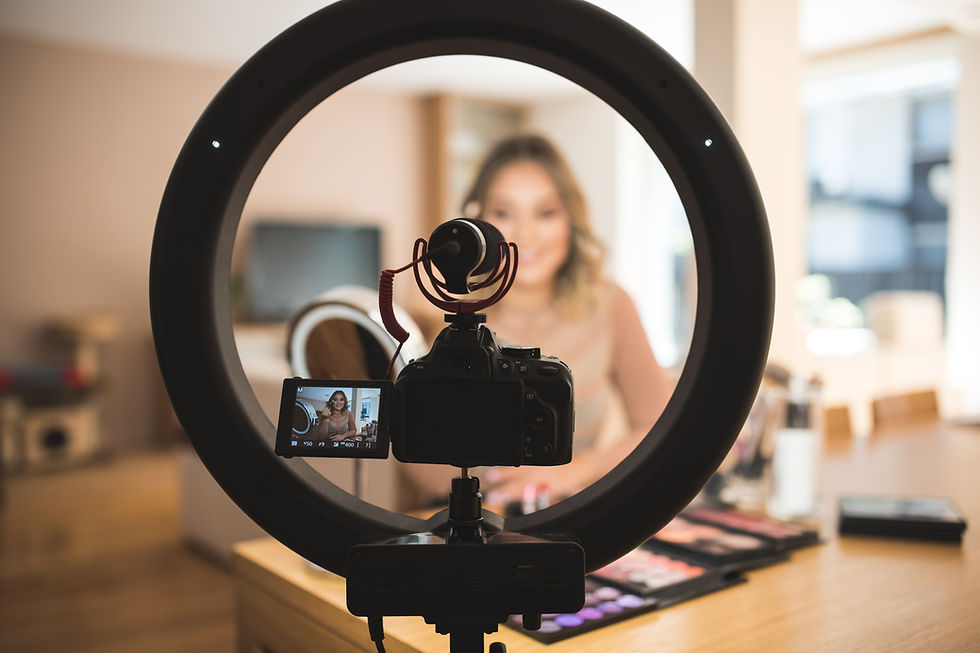
In an age where our phones are always within reach, social media has become a powerful force in shaping how we see ourselves. From filtered selfies to “What I Eat in a Day” videos, our screens are filled with curated versions of people’s bodies, lifestyles, and meals. For many, this constant exposure can lead to comparison, self-doubt, and, in some cases, disordered eating.
While social media is not inherently harmful, unchecked exposure can contribute to body dissatisfaction, food anxiety, and mental health struggles. As human beings, we are wired for connection, not constant self-surveillance. When we are always observing ourselves, we lose clarity and begin to judge rather than accept.
It is likely not your body that is holding you back, but how you feel about it and how you talk to it. The good news is that healing is possible. You can shift from self-criticism to self-compassion. You can unlearn the shame you were taught and build a more respectful, nurturing relationship with your body.
You were not born hating your body. You learned to and you can unlearn it.
The Power of Images: How Social Media Shapes Body Image
Every scroll exposes us to “perfect” bodies and lives, including toned abs, glowing skin, carefully plated meals. Even if we know these images are filtered or staged, our brains still interpret them as real.
The Comparison Trap
The human brain is wired for social comparison to help us survive, adapt, and find our place within social groups. However, platforms like Instagram and TikTok intensify this instinct. For teens and young adults, whose identities are still taking shape, this can have a profound effect on their self-esteem and body image. It is easy to internalize the idea that our bodies are not good enough if they do not match what we see online.
And it is not just about how you look. It extends to how you eat, how you exercise, and what you define as “healthy.” Watching someone eat clean, work out daily, and post their green smoothie can leave you questioning your own choices, even if they were perfectly fine for you.
What Is Food Anxiety?
Food anxiety includes feelings of guilt, fear, or stress related to eating. It can show up as:
Obsessing over food choices
Feeling guilty after eating
Avoiding eating in social situations
Constantly thinking about how food affects your appearance
Cutting out entire food groups out of fear
Food anxiety is often a sign of disordered eating, which includes behaviors that may not meet the criteria for an eating disorder but are still harmful.
Disordered Eating vs. Eating Disorders
Disordered eating includes a wide range of unhealthy behaviors, such as:
Chronic dieting
Bingeing followed by restriction
Labeling foods as “good” or “bad”
Skipping meals to “make up” for eating
Exercising to earn or punish yourself for food
When these patterns become severe, frequent, or interfere with daily life, they may develop into clinical eating disorders such as anorexia, bulimia, or binge eating disorder. However, someone does not have to be underweight, look sick, or meet all the criteria for an eating disorder to be suffering or to need help.
How Social Media Fuels Food Anxiety and Disordered Eating
1. Unrealistic Body Standards
From Photoshop to filters to cosmetic surgery, curated images set unrealistic expectations. Over time, exposure to these idealized bodies can lead to body dissatisfaction, which is a major predictor of disordered eating.
2. “What I Eat in a Day” Content
On the surface, these videos may seem harmless or even inspiring, however, these videos often promote rigid, under-eating habits masked as “wellness.” They can make you ignore your hunger cues or shame yourself for eating differently, even if your choices are balanced and nourishing. This creates a disconnect between what your body needs and what you think you should eat to look a certain way.
3. Moralizing Food
Language like:
“Clean” vs. “junk” food
“Guilt-free” desserts
“Cheat meals”
This kind of moral labeling attaches shame to food choices and can lead to anxiety, especially around eating “bad” foods. Over time, this black-and-white thinking can snowball into obsessive or restrictive eating behaviors. This mindset also reinforces the idea that worth is tied to weight.
4. Toxic Fitness Culture
While exercise offers significant mental and physical health benefits, many accounts frame fitness around changing the body rather than supporting it. This perspective can turn movement into a form of punishment instead of an act of care or joy, often leading to cycles of guilt, burnout, and shame.
Red Flags: When Social Media Is Harming Your Relationship with Food or Your Body
You may not notice how deeply social media affects you until you pause. Some warning signs include:
Feeling worse about your body after scrolling
Comparing your meals or workouts to influencers’ routines
Feeling guilt or anxiety after eating
Avoiding social events that involve food
Feeling out of control around food, followed by shame or restriction
Signs You May Be Struggling with Body Image
Frequent body comparison
Avoiding mirrors or obsessively checking your appearance
Feeling shame or disgust about your body
Skipping meals or overeating based on how you feel about your body
Believing your body has to change before you can be happy
Letting how you look dictate your mood or self-worth
If these resonate, you are not alone and healing is within reach.
10 Ways to Protect Your Mental Health and Build a Better Relationship With Your Body
1. Notice Without Judgment
Begin by observing your thoughts. Begin to notice:
How you speak to yourself
How often you check or avoid your reflection
When you feel most self-critical
Ask:
“Where did I learn this belief?”
“Whose voice does this sound like?”
“Is this thought helping or harming me?
Awareness is the first step. You can’t change what you don’t notice.
2. Clean Up Your Social Media Feed
The first step is controlling what you consume digitally. Unfollow accounts that make you feel like your body is a problem to solve. Curate a feed that celebrates:
Body diversity
Intuitive eating
Mental health
Joyful movement
Real people showing up in real bodies
3. Practice Mindful Eating
Mindful eating encourages tuning in to your internal cues like hunger, fullness, and satisfaction. Some mindful eating tips include:
Eat without distractions (e.g., no phones or TV)
Check in with how hungry you are before and after meals
Slow down and savor your food
Avoid labeling foods as “good” or “bad”
This approach rebuilds trust in your body and helps reduce the guilt and anxiety associated with eating.
4. Challenge Negative Body Thoughts
When you catch yourself thinking something negative about your body, try asking:
“Where did I learn this belief?”
“Whose voice does this sound like?”
“Is this thought helpful or harmful?”
“What would I say to a friend feeling this way?”
"Is this a fact or a feeling?"
"What is the evidence for and against this belief?" Replace them with more realistic interpretations.
"What thought I you say in place of this thought? (e.g. “I deserve to look in the mirror and see a person I care about”).
Engaging in behavioral experiments can also help shift long-held beliefs. For example, wear a tank top in public to test the belief, “Everyone will stare at me.”
5. Change How You Talk About Bodies
Your language shapes your reality. Replace shame-based comments, such as “I feel gross,” with:
“I am more than a body.”
“My body deserves kindness.”
“It is okay if my body changes.”
And be mindful of how you speak about others’ bodies, too. Instead of complimenting someone else’s body, instead try complimenting:
Someone’s energy: “You seem really happy today.”
Their achievements: “You handled that so gracefully.”
Their presence: “I love being around you.”
6. Practice Body Neutrality
You do not have to love your body to treat it with care. Body neutrality centers on what your body does, and not how it looks.
Try shifting your self-talk from:
“I hate my stomach” → “My stomach digests food and keeps me alive.”
“My thighs are huge” → “My legs carried me through today. That’s strength.”
Instead of asking “How do I look today?” try:
“What did my body help me accomplish?”
“How did it show up for me today?”
“What do I appreciate about how it feels?”
Your body is an instrument, not an ornament.
7. Let Go of Food Morality
You are not “bad” for eating a brownie, nor “good” for skipping dessert. Food is nourishment, pleasure, and culture, not a test of your discipline.
Practice neutralizing your language around food. Replace:
“I was so bad today” → “I ate what I needed today.”
“I should not have eaten that” → “It tasted good and I enjoyed it.”
8. Wear Clothes That Fit the Body You Have Now
Do not punish or shame yourself by clinging to clothes that do not fit. Too often, people keep clothes that no longer fit as a form of self-punishment or motivation. Bodies change and that is normal. Let go of clothes that make you feel restricted, uncomfortable, or inadequate. Your worth is not tied to a size tag.
Choose clothes that:
Feel good and fit comfortably
Allow you to move freely
Reflect your identity
This simple change can dramatically improve your relationship with your body on a daily basis.
9. Reframe Movement as Self-Respect, Not Punishment
Exercise does not have to be about burning calories, “earning food”, or “fixing” your body. When you move for joy instead of punishment, your mental health improves dramatically. Find movement that makes you feel empowered, grounded, and energized.
Ask yourself:
“What movement feels energizing today?”
“How can I move in a way that supports my mood and energy?”
“Does my body need movement or rest?”
Dance, walk, stretch, rest. All of these are valid ways to relate to your physical self with care.
10. Seek Professional Support
You do not need to hit a breaking point to reach out for support. If you are experiencing any of the following, it may be time to talk to someone:
Ongoing anxiety or guilt related to food
Rigid rules around eating or compulsive exercise
Body dissatisfaction that disrupts your daily life
Intense fear of gaining weight or making food “mistakes”
A therapist or registered dietitian can help you navigate food anxiety, build body trust, unlearn harmful beliefs, and feel supported without shame. Asking for help is not a weakness, but an act of courage.
Final Thoughts: You Are More Than a Body
Social media often turns self-worth into a performance. However, your value does not live in how you look, eat, or move, it is in who you are.
Healing your relationship with food and your body takes time, compassion, and support. It often starts by turning down the external noise and reconnecting with yourself. Reconnect with your inner voice that seeks peace, self-respect, and nourishment instead of control and comparison.
You do not have to love your body every day. You just need to treat it like it matters, because it does.


